How long do HVAC systems last?
More UK businesses than ever are relying on HVAC systems to keep their buildings comfortable, protect equipment and stay on top of rising energy-efficiency standards. And with the UK commercial HVAC market now worth almost £1.8 billion (source: Barbour ABI), it’s clear that organisations across every sector are investing in better heating, cooling and ventilation for their spaces.
If you’re planning a new installation, or thinking about replacing older equipment, one of the first questions you’ll need to answer is how long will the system actually last? Understanding the lifespan of HVAC components helps you budget, plan ahead and avoid unexpected breakdowns.
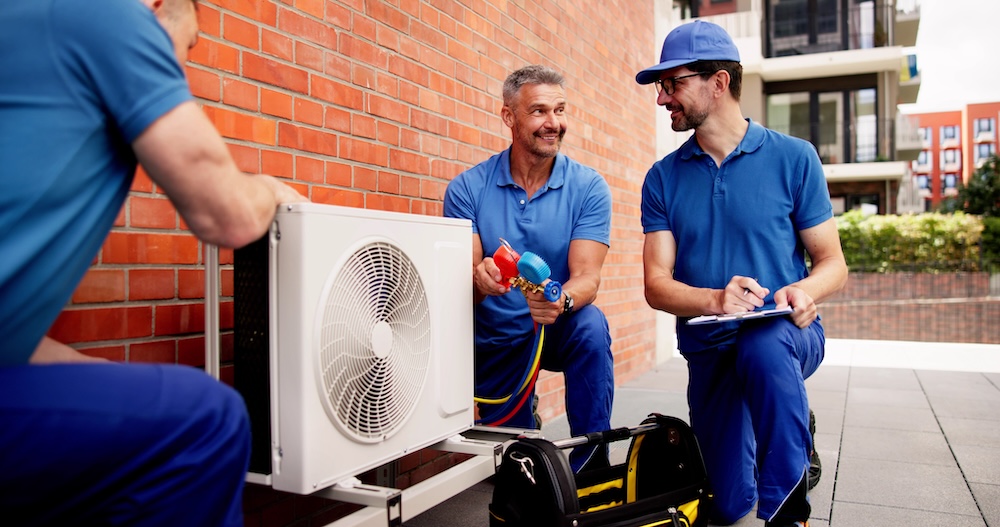 Skilled HVAC Technician Conducting Commercial Air Conditioner Service with Reporting Checklist on Business Property with Team of Workers.
In this guide, we’ll break down how HVAC systems work, how long each part typically lasts and what you can do to extend the life of your equipment.
How do HVAC systems work?
Before we discuss how long HVAC systems last, it helps to know what they do and how the main parts work together. Once you understand the basics, it becomes easier to see why some components wear out faster than others.
HVAC stands for Heating, Ventilation and Air Conditioning. In most commercial buildings, you’ll find a mix of the following parts:
| HVAC component | How it works |
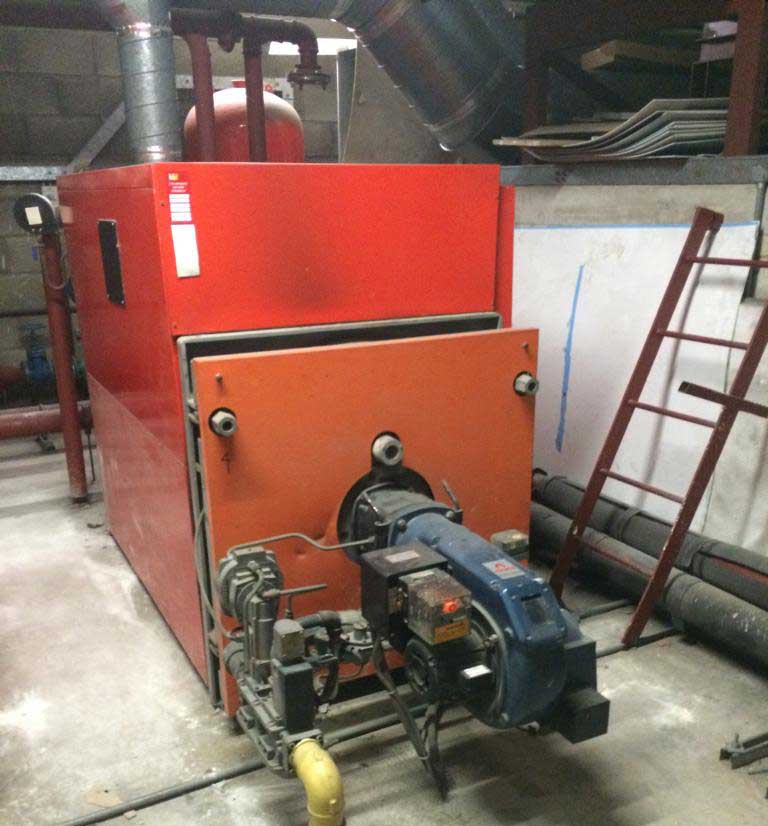
| Heating equipment | A boiler or heat pump that produces warm air or hot water. This keeps your building comfortable during colder months. |
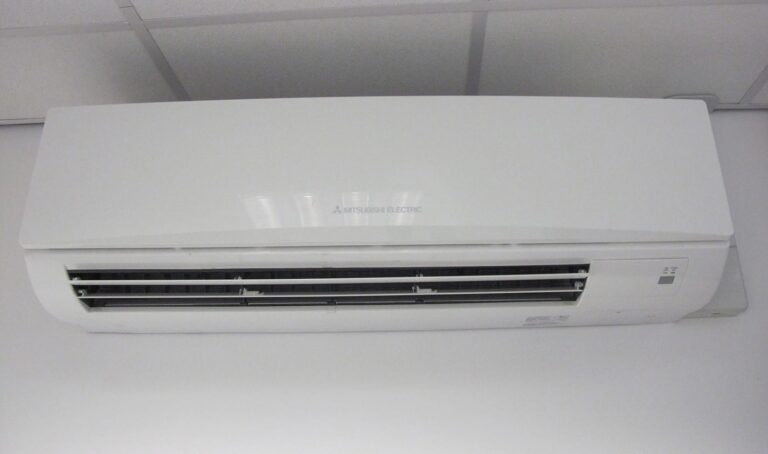
| Cooling equipment | An air conditioning system removes heat from the building. It might use chillers, DX units, rooftop systems or small split units. These rely on compressors, condensers and evaporators to cool the air. |
| Air handling units (AHUs) | AHUs move air through your building. They contain fans, coils and filters. Some also manage humidity. They pull air in, treat it and push it back out through the system. |
| Ductwork and distribution
|
Ducts carry warm or cool air to each room. Grilles and diffusers help control where the air goes and how fast it moves. |
| Filtration and ventilation
|
Filters remove dust and pollutants. Fresh-air intakes and exhausts help you keep the air inside clean and safe. |
Learn more about the different types of systems and components in our comprehensive HVAC guide.
How long do HVAC systems last?
Most commercial HVAC systems have an average lifespan of 10-20 years, but this depends on the equipment type, usage and how well the system is maintained.
For business planning a new installation or considering replacement, it’s helpful to look at typical lifespans by component.
- Air conditioning units (DX, splits, rooftop) – Usually 12-15 years. Well-maintained rooftop units can reach up to 20 years.
- Commercial boilers – Typically 15-25 years, depending on water quality, system design and servicing.
- Air Handling Units (AHUs) – Around 15-20 years for the casing and main structure, with internal parts (fans, motors, belts) replaced more often.
- Heat pumps – Air-source heat pumps usually last 10-15 years. Ground-source systems can exceed 20 years due to fewer exposed mechanical parts.
- Ductwork – Properly designed and installed ducting can last 25 years or more, though it may need cleaning, sealing and insulation upgrades.
Comparison table: How long do HVAC components typically last? |
|||
|---|---|---|---|
| HVAC component | Average lifespan | Key factors affecting lifespan | Common replacement triggers |
| Air conditioning unit | 12-15 years | Operating hours, maintenance, external conditions | Poor cooling, frequent faults, rising energy bills |
| Commercial boiler | 15-25 years | Water quality, annual servicing, system design | Repeated breakdowns, low efficiency, safety issues |
| Air Handling Unit (AHU) | 15-20 years | Filter changes, fan wear, cleanliness | Reduced airflow, noise, corrosion or casing issues |
| Heat pump | 10-15 years | Weather exposure, refrigerant management | Loss of capacity, poor heating/cooling performance |
| Ductwork | 25+ years | Cleanliness, sealing, insulation quality | Air leaks, contamination, poor distribution |
| HVAC filters | 1-3 months | Air quality, usage hours, filter grade | Restricted airflow, visible dirt, pressure drop |
What affects the lifespan of HVAC systems?
Several things can shorten or extend the life of your HVAC system. Here’s what matters most.
- Maintenance frequency. You extend the life of your system when you keep up with planned preventative maintenance. When you inspect, clean and service equipment on time, you reduce strain and avoid early failures.
- Hours of operation. Your system ages faster if it runs all day and night. Buildings in hospitality and healthcare often see this. A system that runs standard office hours faces less wear.
- Installation quality and system design. If someone installs the system incorrectly or sizes it poorly, it has to work harder than it should. Bad commissioning or wrong controls create the same problem. Over time, this leads to breakdowns.
- Environment and air quality. Dust, fumes, moisture and chemicals all add stress. Your system will struggle more in industrial spaces or food production areas.
- Filter condition. When you leave filters in too long, airflow drops. Fans, motors and coils then push harder to compensate. This is one of the most common reasons systems fail early. You avoid this by changing filters on a regular schedule.
How long do HVAC filters last?
In most commercial buildings, HVAC filters need checking often and replacing them every one to three months. This is only a general guideline. If your building has a lot of dust or strict air-quality rules, you’ll need to change filters more often.
Why filter maintenance matters
Staying on top of filter changes is one of the simplest ways to protect your system. Proper filter maintenance:
- Reduces system strain and extends equipment life
- Improves energy efficiency and running costs
- Supports healthy indoor air quality
- Helps maintain consistent comfort for staff and customers
Learn more about filter maintenance.
Should I repair or replace my HVAC system?
As HVAC systems approach the end of their expected lifespan, businesses often face a key decision – keep repairing or invest in replacement.
As a general rule, we suggest repair is usually the best option when:
- The system is less than 10 years old
- Breakdowns are infrequent and low-cost
- Performance and efficiency are still acceptable
- There are no major safety or compliance concerns
Replacement may be more cost-effective when:
- The system is 15+ years old and out of warranty
- Major components (compressors, heat exchangers) are failing
- Repair costs are stacking up over multiple visits
- Energy bills and carbon emissions are a concern
- Your building or processes have outgrown the original system design
For businesses considering a first-time HVAC installation, this sort of lifecycle thinking helps you budget realistically and plan for future upgrades – rather than seeing HVAC as a one-off purchase.
How Atmostherm Can Help
At Atmostherm, we work with businesses across the UK to design, install, maintain and upgrade commercial HVAC systems. Whether you’re installing a HVAC system for the first time or deciding whether to replace an existing one, our experienced engineers can help you make informed, cost-effective decisions.
We can support you with:
- HVAC design and installation for new builds and refurbishments
- Planned preventative maintenance (PPM) to maximise lifespan
- Filter management and replacement schedules
- Diagnostics, repairs and servicing
- System upgrades and energy-efficiency improvements
Contact us or call 0800 085 7510 for more information.
Speak to a HVAC expert today
Enter your details below to get a call back from one of our HVAC experts.