F-Gas Regulations in 2026: What UK Businesses With Older AC Systems Need to Know
If your commercial building runs an air conditioning system that’s more than eight years old, there’s a good chance it relies on refrigerants that are now at the centre of some of the most significant regulatory changes in the UK HVAC industry, driven by the latest F-Gas Regulations.
F-gas regulations have been tightening steadily for years, and 2026 marks a critical point in that process. For many businesses, the decisions made now will have a direct impact on how much it costs to maintain their systems, and whether they can continue to service them at all.
This guide explains what the F-Gas Regulations are, what’s changed in 2026, and what you should be doing if you operate an older commercial air conditioning system.
What are the F-Gas Regulations?
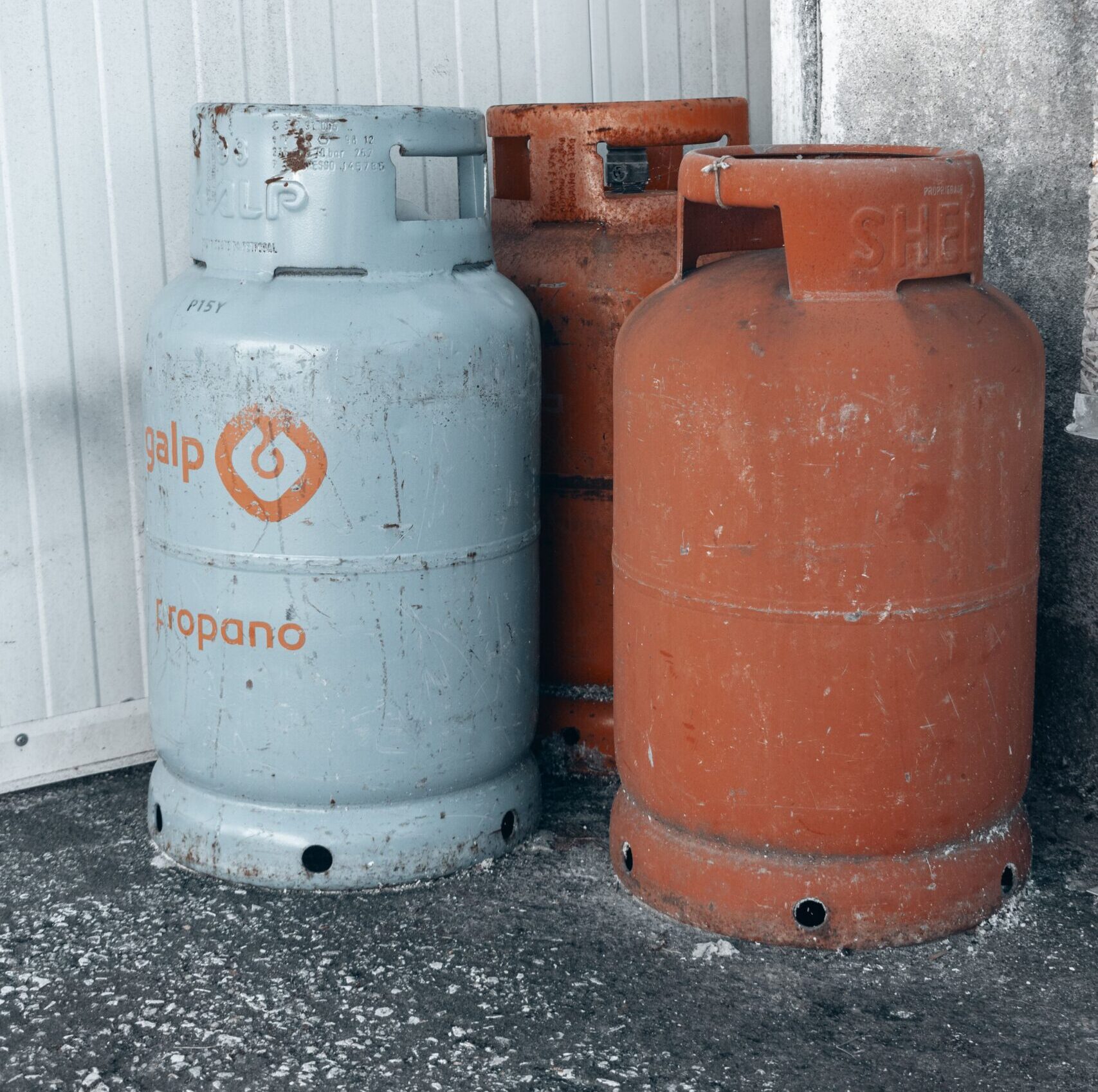
F-gases (or fluorinated greenhouse gases) are a family of synthetic gases widely used in refrigeration and air conditioning systems. They include hydrofluorocarbons (HFCs), which are found in the vast majority of commercial AC equipment installed over the past two decades. The problem with F-gases is their Global Warming Potential (GWP). They trap significantly more heat in the atmosphere than carbon dioxide, making them a major contributor to climate change.
The UK F-gas regulations exist to reduce the use and emissions of these gases. Since the UK left the EU, they are governed under the Ozone-Depleting Substances and Fluorinated Greenhouse Gases (EU Exit) Regulations 2019, which mirrors much of the previous EU framework but operates independently. Enforcement in England sits with the Environment Agency.
The core mechanism is a phase-down of high-GWP refrigerants: gradually restricting how much can be produced, imported, and used, with outright bans in certain applications from specific dates.
What’s changed in 2026?
The most significant 2026 milestone for commercial building operators is a new servicing ban.
From January 2026, virgin fluorinated gases with a GWP of 2,500 or higher can no longer be used to service or maintain air conditioning and heat pump systems. This directly targets refrigerants like R404A (GWP 3,922) and R507A (GWP 3,985), which are commonly found in systems installed before 2015.
‘Virgin fluorinated gases’ refers to newly produced refrigerants. Reclaimed and recycled refrigerant with a GWP of 2,500 or more can still be used for servicing existing systems for the time being, but the supply of reclaimed gas is limited and the cost has been rising significantly as the phase-down takes hold.
Businesses that delay action are increasingly finding that servicing older systems becomes both more difficult and more expensive.
Alongside this, the overall quota for HFC refrigerants placed on the UK market continues to reduce each year. Even refrigerants that haven’t been subject to outright bans, such as R-410A (GWP 2,088), are becoming more expensive as supply tightens. The regulatory pressure is reshaping the economics of maintaining older systems, whether or not a specific ban applies to your refrigerant today.
What are your ongoing F-Gas Regulations obligations?
Regardless of the 2026 changes, UK businesses operating commercial air conditioning systems already carry a set of legal responsibilities under F-gas regulations. If your system contains more than 2.4 kg of refrigerant or has a charge of 5 tonnes of CO₂ equivalent or more, these obligations apply to you.
F-gas regulations: leak testing
Mandatory leak checks must be carried out at regular intervals, determined by the CO₂ equivalent charge of your system. As a general guide:
- Systems with 5-50 tonnes CO₂e: annual leak check (or every two years with a fixed leak detection system)
- Systems with 50-500 tonnes CO₂e: every six months (or annually with a fixed leak detection system)
- Systems above 500 tonnes CO₂e: every three months, with a fixed leak detection system mandatory at this level
As a rule of thumb, most standard split systems require an annual F-gas check; larger VRF or chiller systems typically require twice-yearly checks. If a leak is found, it must be repaired as soon as possible and the system retested within a month.
Record keeping
An F-gas logbook must be maintained for each qualifying system, recording the refrigerant type, quantity, any additions or removals, leak check dates, engineer details, and any repairs or refrigerant recovery. These records must be kept for at least five years and made available to the relevant authorities on request.
Certified engineers only
All installation, maintenance, leak testing, repair, and decommissioning work on systems containing F-gases must be carried out by a certified engineer working for an F-gas certified company like Atmostherm.
How do you know if your system is affected?
The key question is what refrigerant your system uses and what its GWP is. If your air conditioning system was installed before 2014 and has never been upgraded or retrofitted, there is a reasonable chance it is running on a refrigerant that is now subject to servicing restrictions or is becoming increasingly difficult to source.
Some common indicators that your system may be affected:
- Your system is more than 8-10 years old
- You are not sure what refrigerant it uses
- Your maintenance contractor has mentioned R404A, R507A, or R22 in the past
- You have noticed servicing costs increasing without a clear explanation
- Your F-gas records are incomplete or out of date
What should you do now?
The first step is to establish exactly what systems you have, what refrigerants they use, and whether your F-gas records are up to date. Many businesses are unaware they have gaps in their compliance documentation until they face an enforcement check or a contractor flags the issue during a routine visit.
From there, the options will depend on your systems:
- If your system uses a refrigerant above GWP 2,500, it can no longer be serviced with virgin gas. You need a clear plan for how long you can continue to source reclaimed refrigerant and at what cost, versus the investment in replacement.
- If your system uses a refrigerant below GWP 2,500 but approaching that threshold (such as R-410A at GWP 2,088), you are not subject to a ban today, but quota reductions are making these gases more expensive year on year. The economics of a planned upgrade versus reactive maintenance are worth reviewing.
- If you are planning a new installation, modern low-GWP refrigerants such as R-32 (GWP 675) are now standard and future-proof your investment against further regulatory change.
A planned, phased approach to upgrading systems almost always works out better financially and operationally than waiting for a breakdown or a compliance notice to force the issue.
How Atmostherm can help
With over 40 years’ experience designing, installing and maintaining commercial HVAC systems across the North West and beyond, we help businesses understand their current position under UK F-Gas Regulations and make informed decisions about what to do next.
Whether you need to get your leak testing and record-keeping up to date, want a professional assessment of your existing systems, or are starting to plan a replacement, our team can help. Get in touch to arrange a no-obligation review, or take a look at our case studies to see how we have helped other businesses in similar positions.
F-Gas Regulations FAQs
Do the UK F-Gas Regulations apply to my business?
If you operate a commercial air conditioning or refrigeration system containing more than 2.4kg of F-gas refrigerant, the UK F-gas regulations apply to you. This covers the vast majority of commercial AC systems in offices, retail premises, industrial buildings, and healthcare facilities.
How often does F-gas leak testing need to take place?
The frequency of F-gas leak testing depends on the CO₂ equivalent charge of your system. Most commercial split systems require an annual check; larger systems will require checks every six months. Systems with a fixed leak detection system installed may be able to extend these intervals. All leak testing must be carried out by a certified engineer like Atmostherm.
Can I still service a system that uses R404A?
Not with virgin refrigerant. From January 2026, the use of virgin fluorinated gases with a GWP of 2,500 or more (which includes R404A at GWP 3,922) is banned for servicing air conditioning systems. Reclaimed and recycled refrigerant can still be used, but supply is limited and costs are rising. If your system relies on R404A, it is worth reviewing your options with a qualified HVAC contractor sooner rather than later.
What happens if I don’t comply with F-Gas Regulations?
Non-compliance can result in enforcement action and financial penalties from the Environment Agency. In addition, businesses without up-to-date F-gas records and valid leak testing documentation may face issues with insurance policies, property transactions, and due diligence processes. Getting your compliance in order now avoids all of these risks.
Speak to a HVAC expert today
Enter your details below to get a call back from one of our HVAC experts.