A Complete Guide to Heat Pumps in the UK
As we move towards a net-zero future, the way we heat our homes is changing. Gas boilers have long been the first choice in British homes, but a quieter, more environmentally friendly option is quickly gaining popularity: the heat pump.
If you’re a homeowner considering upgrading your heating system, you’ve probably heard about heat pumps. But with all the technical terms and information about government grants, it can be challenging to decide if a heat pump is the right choice for your property.
In this guide, we’ll cover all you need to know about heat pumps, including:
- How heat pumps work
- What they typically cost
- What government grants are available
- How to get started
What is a heat pump?
A heat pump is a device that extracts heat from the outside environment, either from the air or the ground, and transfers it into your home.
The main difference between a heat pump and a traditional gas or oil boiler is that a heat pump does not create heat by burning fuel, it transfers it instead.
You can think of it like a refrigerator working in reverse. While a fridge removes heat from its interior and expels it into your kitchen, a heat pump takes heat from outside and delivers it to your radiators or underfloor heating system.
Because heat pumps move heat rather than generate it through combustion, they are highly efficient and produce significantly fewer carbon emissions. As we move away from fossil fuels, professional heat pump installation is becoming a popular choice for homeowners looking to future-proof their homes.
In the UK, there are two primary types of heat pumps used in homes:
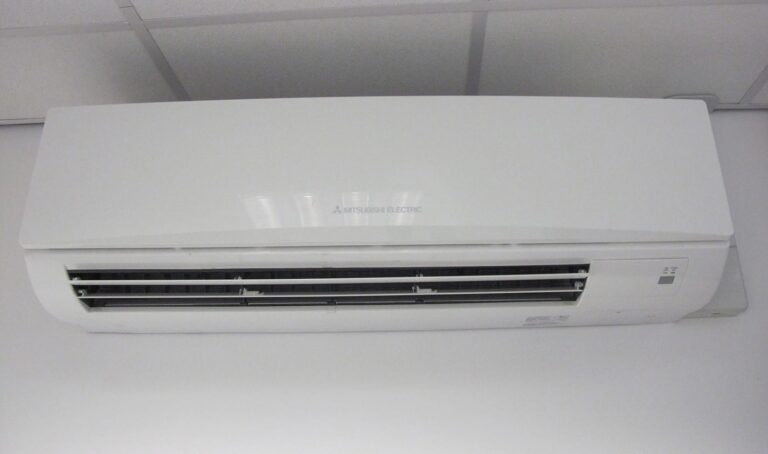
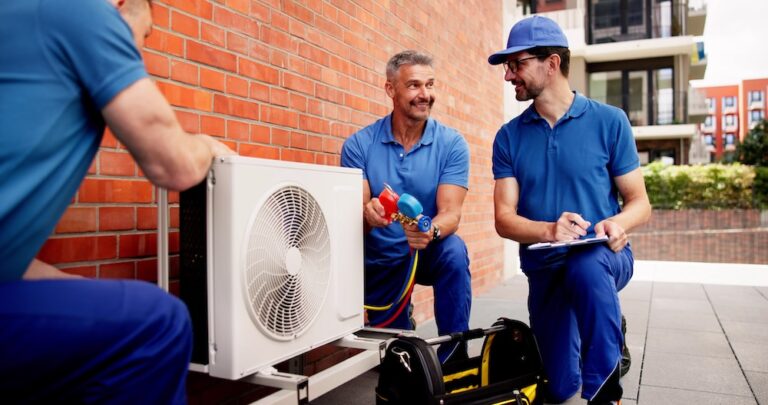
- Air Source Heat Pumps (ASHP): This is the most common type of heat pump. It resembles an air conditioning unit and is installed outside your home.
- Ground Source Heat Pumps (GSHP): These systems involve burying pipes in your garden to extract heat from the ground.
How does an air source heat pump work?
When people ask how heat pumps work, they are often surprised to learn that an air source heat pump can still extract heat from the air even when it feels freezing outside. Here’s how the process works, step by step:
- Absorption: An outdoor unit contains a fan that pulls in fresh air. This air passes over a heat exchanger filled with a special fluid called refrigerant.
- Evaporation: Even at low temperatures, the refrigerant absorbs enough energy to change from a liquid into a gas.
- Compression: This gas is then compressed by an electric pump. Compressing a gas significantly raises its temperature, similar to how a bike pump heats up when you use it.
- Transfer: The concentrated heat from the gas is then transferred to your home’s heating system, warming the water that flows to your radiators, underfloor heating or hot water cylinder.
The most impressive part? Air source heat pumps are about 3-4 times more efficient than standard electric heaters. For every 1 kW of electricity used to operate the pump, you typically receive 3 kW to 4 kW of heat energy in return.
How does a ground source heat pump work?
Ground source heat pumps are an excellent alternative for those with sufficient outdoor space.
Ground source heat pumps work by utilising a network of water pipes, known as a ground loop. These pipes are buried in your garden. The soil temperature remains relatively stable at around 10–12°C throughout the year, regardless of the weather above ground, making it a consistent energy source.
The GSHP absorbs heat from the ground, compresses it similarly to an air source unit, and circulates it throughout your home. Although the installation cost is higher due to the necessary groundwork, ground source heat pumps are highly efficient in the long run and have a very long lifespan.
How much does a heat pump cost in the UK?
The cost of installing a heat pump can vary based on a few factors, including the size of your home and the type of system you choose.
- Air Source Heat Pump Installation: Typically costs between £8,000 and £14,000.
- Ground Source Heat Pump Installation: Usually starts at £15,000 and can exceed £30,000, depending on the amount of excavation required.
Other factors that can influence the cost of installation include:
- The size of your property
- Installation complexity
- Your current insulation levels
- Whether your existing radiators need to be upgraded to larger models to accommodate the lower flow temperatures of a heat pump.
Government grants and support
The good news is that you don’t have to bear these costs alone. To encourage the transition to low-carbon heating, the UK government is offering significant financial support. Under the Boiler Upgrade Scheme (BUS), eligible households can receive a £7,500 grant towards installing an air source heat pump.
Recent reports from the BBC indicate that the government is extending this scheme until 2029/30. This extension means that, for many homeowners, the out-of-pocket cost of a heat pump is now comparable to (or even cheaper than) installing a high-end gas boiler.
So, are heat pumps really worth it in the UK?
Heat pumps have seen a massive surge in popularity over the last 12-18 months, with certified installation figures reaching a record high of 30,000 in 2025, as more homeowners look to escape the volatility of gas prices.
Beyond the environmental benefits, they offer a slow and steady heat that keeps a home at a consistent, comfortable temperature throughout the day. When combined with the £7,500 grant and the potential for lower energy bills (especially if you have solar panels), a heat pump is a smart, long-term investment for your home’s infrastructure.
Are heat pumps right for every home?
While heat pumps are an excellent heating option, they are not a “one-size-fits-all” solution. You may be a great candidate for a heat pump if:
- Your home is well-insulated: Heat pumps are most effective when the heat they produce is retained inside the house.
- You have outdoor space: You’ll need a location for the outdoor unit, which is about the size of a large suitcase and requires good airflow.
- You are replacing an old system: If your oil or gas boiler is reaching the end of its life, now could be an ideal time to make the switch.
- You want to reduce your carbon footprint: Heat pumps are incredibly efficient and produce less carbon emissions than traditional heating systems.
To get started, you’ll need to have a professional assessment. A qualified engineer can conduct a heat-loss calculation to ensure the system is properly sized for your home’s specific needs.
Ready to upgrade your home heating?
If you’re considering installing a heat pump or want to determine if your home is suitable, our team is here to assist you. We offer expert, honest advice and professional heat pump installation across the North West.
Our goal is to ensure you find a system that keeps you warm, reduces your carbon footprint and saves you money for years to come. Contact us today to speak with one of our specialists or to book a home survey.
FAQs
How long do heat pumps last?
Most high-quality heat pumps have a lifespan of 15 to 20 years, and some can last even longer with regular maintenance. This is significantly longer than the average gas boiler, which typically needs to be replaced every 10 to 12 years.
Are heat pumps noisy?
Modern heat pumps are very quiet, often no louder than a low hum or the sound of a domestic dishwasher. When installed correctly on anti-vibration mounts, you are unlikely to notice them while inside your home or even when sitting in your garden.
Do heat pumps work in cold weather?
Yes, heat pumps are designed to operate in temperatures as low as -15°C and even -25°C. While they have to work a bit harder in freezing conditions, they’re still very effective at keeping UK homes warm throughout the winter.
Do heat pumps work with radiators?
Yes, they do. However, because heat pumps operate at lower temperatures than gas boilers, you may need “oversized” radiators with a larger surface area to deliver the same amount of heat. Our team can assess your current radiators during a survey.
Are heat pumps expensive to run?
Due to their high efficiency, heat pumps can be very cost-effective. Although electricity costs more per unit compared to gas, heat pumps are much more efficient (by 300-400%) – meaning your overall running costs should be competitive with, or even lower than, those of a gas boiler.
Do heat pumps provide hot water?
Yes, heat pumps are designed to supply both space heating and domestic hot water. Typically, you will need a hot water cylinder to store the water, which the heat pump will maintain at a consistent and usable temperature.
Speak to a HVAC expert today
Enter your details below to get a call back from one of our HVAC experts.