HVAC Design for Hospitals and Healthcare Facilities
In hospitals and healthcare facilities, HVAC systems do much more than heat or cool a building. They help control infections, protect vulnerable patients, support clinical staff and meet strict regulatory standards.
From operating theatres to wards and clinics, HVAC design affects how safe and comfortable your building really is.
That’s why you need to plan HVAC design for hospitals carefully from the start. Every space has different airflow, filtration and temperature needs. If you get these wrong, you put patients, staff and compliance at risk.

Why HVAC design matters in healthcare
Healthcare buildings run 24 hours a day and are used by people who may already be unwell or immunocompromised. Poor air quality, unstable temperatures or weak ventilation can quickly cause problems.
A well-designed healthcare HVAC system helps you:
- Keep indoor air clean and safe
- Reduce the spread of airborne contaminants
- Control temperature and humidity
- Prevent cross-contamination between rooms
- Support medical equipment and daily clinical work
- Meet healthcare compliance requirements
HVAC design isn’t just about building services. It’s part of infection prevention and control.
HVAC standards for hospitals and clinics
HVAC standards for hospitals in the UK are stricter than those for most commercial buildings. It’s important to follow NHS guidance, industry standards and building regulations.
HTM 03-01: specialised ventilation for healthcare premises
HTM 03-01 is the main reference document for healthcare ventilation and it forms the basics of HVAC design for hospitals and clinics. It sets clear requirements for air change rates, pressure differences between rooms, filtration levels, temperature and humidity control and system reliability.
CIBSE and building regulations
CIBSE guidance helps you size systems correctly, manage comfort levels, improve energy efficiency and integrate HVAC into complex buildings. You also need to comply with UK Building Regulations and relevant British Standards.
Together, these standards make sure your HVAC system is safe, efficient and suitable for clinical use.
Key elements of HVAC for hospitals
Healthcare HVAC systems are built around more than heating and cooling alone. The following components are essential.
Ventilation and airflow control
Ventilation is the most important part of HVAC for hospitals. Your system must supply clean air and remove contaminated air safely. That means controlling airflow direction, maintaining correct pressure between rooms and delivering high air change rates where needed.
For example, operating theatres usually run under positive pressure. Isolation rooms use negative pressure to stop contaminants spreading. A ventilation system needs to meet these requirements and still remain reliable and easy to maintain.
Our specialist hospital ventilation systems are designed to meet these requirements while remaining reliable and easy to maintain.
Filtration and air quality
Healthcare settings need high-quality filtration. Depending on the space, this can include multi-stage filters, fine particulate filters and HEPA filtration in high-risk or sterile areas.
You must match filtration to your HVAC design. If filters restrict airflow too much, energy use rises and performance drops. If filtration is too weak, air quality suffers.
Temperature and humidity control
Stable temperature and humidity help patients recover, staff work comfortably and equipment operate safely. Different areas need different conditions. You need to account for this during design, not after installation.
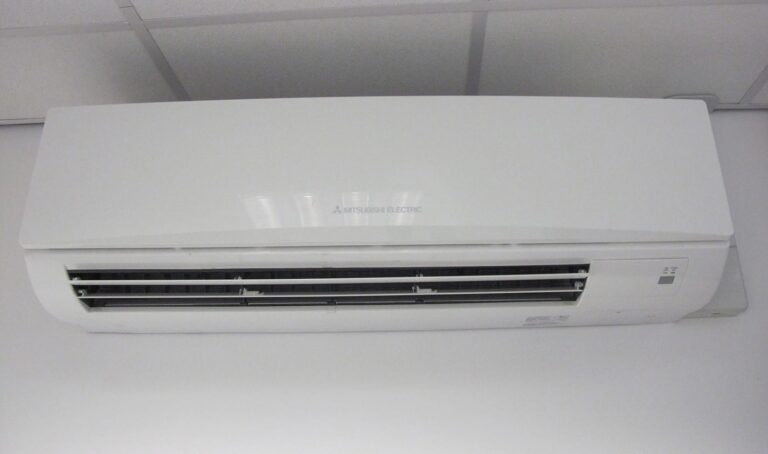
Reliable air conditioning systems are important in areas such as theatres, treatment rooms and recovery wards where environmental stability is essential.
System resilience and reliability
Hospitals cannot afford HVAC downtime. Designs should include backup systems, zoned control to isolate faults and safe access for maintenance without disrupting care. Reliability matters just as much as performance.
HVAC design for different healthcare spaces
Not every part of a hospital has the same requirements. Good HVAC design reflects how each space is used.
| Healthcare facilities | What’s important |
| Operating theatres | Operating theatres need tightly controlled conditions. That includes high air change rates, HEPA filtration and positive pressure to protect sterile environments. |
| Wards and patient rooms | Patient areas focus on comfort, low noise and consistent air quality, while still supporting infection control. |
| Isolation rooms | Isolation rooms rely on negative pressure ventilation to stop airborne contaminants escaping into nearby spaces. |
| Clinics and outpatient facilities | Clinics still need carefully designed HVAC systems, especially where patient turnover is high and infection risk needs managing. |
Energy efficiency and sustainability in healthcare HVAC
Hospitals must balance clinical performance with energy use. Poor design drives up running costs and carbon emissions.
A good healthcare HVAC system design usually includes:
- High-efficiency heating and cooling plant
- Heat recovery ventilation
- Building management systems
- Zoned and demand-led control
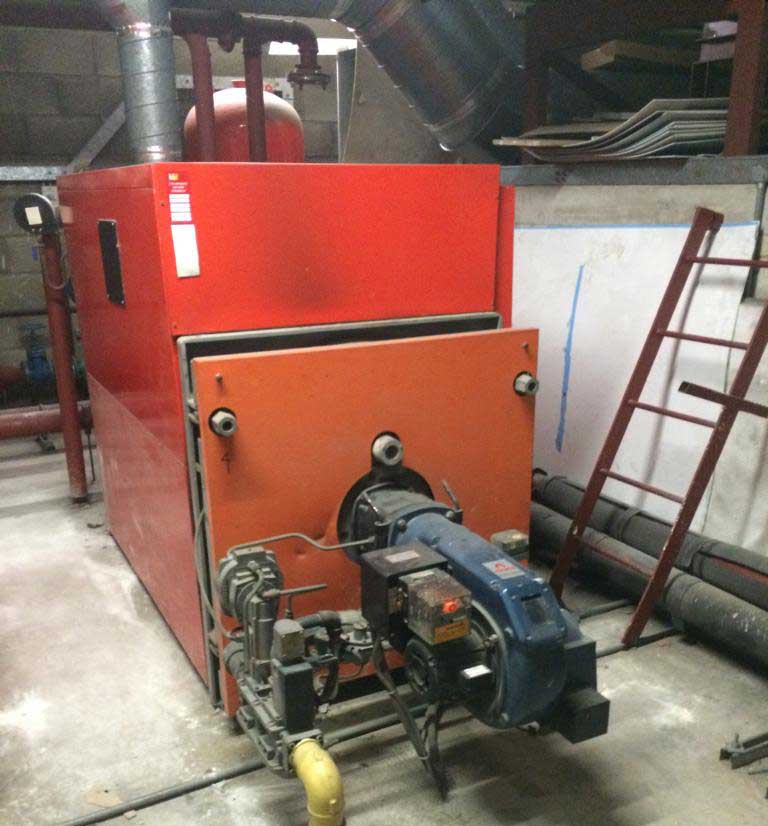
Well-designed heating systems for hospitals can significantly reduce energy use without compromising safety or comfort.
The value of specialist HVAC expertise
Healthcare HVAC design is complex and highly regulated. Working with an experienced HVAC contractor helps you get it right from day one.
With over 40 years’ experience, Atmostherm designs, installs and maintains HVAC systems for demanding environments, including hospitals and healthcare facilities across the North West and beyond. Our integrated approach helps ensure your systems perform as intended throughout their lifespan.
If you need support with HVAC design, upgrades or maintenance for a healthcare facility, speak to our team.
Speak to a HVAC expert today
Enter your details below to get a call back from one of our HVAC experts.