TM44 Air Conditioning Inspections Explained
For commercial property owners and facilities managers, keeping up with building regulations can feel like a full-time job. You’re already managing health and safety checks, maintenance and day-to-day issues, so it’s easy for energy requirements to slip down the list.
One of these requirements is a TM44 inspection. It may sound technical, but if you operate air conditioning systems, you’re legally required to have one. Failing to comply with this requirement doesn’t just incur fines, but it can also mean missing out on an opportunity to reduce energy costs. Understanding TM44 air conditioning inspections properly can save your business both money and hassle.
In this guide, we will explain everything you need to know about a TM44 inspection, including why it’s important and how it can actually benefit your business.
What Are TM44 Air Conditioning Inspections?
A TM44 inspection is an official evaluation of a building’s air conditioning system. The name “TM44” refers to Technical Memorandum 44, a guidance document published by the Chartered Institution of Building Services Engineers (CIBSE).
This TM44 air conditioning inspection is more than just a simple pass or fail mechanical check. It’s an energy efficiency audit that assesses several key factors:
- Energy Efficiency: Measures how much energy the system consumes relative to its cooling output.
- System Condition: Evaluates whether the equipment is being properly maintained.
- System Sizing: Determines if the unit is appropriately sized for the space it is cooling. An oversized system can be a major source of energy wastage.
- Performance Improvements: Identifies specific strategies for the operator to reduce energy consumption and operating costs.
A TM44 inspection follows air conditioning inspection regulations in the UK and can enhance the efficiency and effectiveness of your air conditioning systems. Once the assessment is complete, you’ll receive a TM44 certificate and a detailed report outlining the findings.
Is a TM44 Inspection a Legal Requirement?
In the UK, TM44 inspections are a legal requirement under the Energy Performance of Buildings (England and Wales) Regulations. You are required to have a TM44 inspection if:
- Your building has an air conditioning system with a total effective rated output exceeding 12kW.
- This includes either a single large unit or a combination of smaller units that together exceed 12kW.
The inspection must be conducted by an accredited energy assessor. If a local authority inspects your business and you cannot provide a valid TM44 certificate, you could face enforcement action and financial penalties. In addition to any fines, you will still be required to have an inspection completed to comply with the regulations.
Do I Need a TM44 Inspection for My Building?
Many business owners are surprised to discover that the 12kW threshold is relatively low. Most large commercial air conditioning installations will easily exceed this limit. Common building types that require an inspection include:
- Offices: Centralised VRF/VRV systems usually surpass the threshold.
- Retail Stores & Restaurants: Even medium sized units in shop floors and kitchens often add up to over 12kW.
- Hotels & Leisure Centres: Large scale cooling is typically needed for guest rooms and gyms.
- Warehouses & Factories: Climate control is essential for both staff comfort and stock preservation.
Important note: The 12kW rule applies to the total cooling capacity of the building. For example, if you have five 3kW units, your total capacity would be 15kW, which means you are legally required to have a TM44 commercial air conditioning inspection. If you are uncertain about your system’s capacity, it’s best to consult your maintenance records or speak with a specialist.
How Often Are TM44 Inspections Required?
TM44 inspections must be carried out every five years. However, given the rapid advancements in HVAC technology, we recommend you review this sooner if:
- You significantly alter the layout of your building
- You replace or upgrade parts of your HVAC system
- Your energy bills unexpectedly increase, indicating a drop in system efficiency
What Happens During a TM44 Inspection?
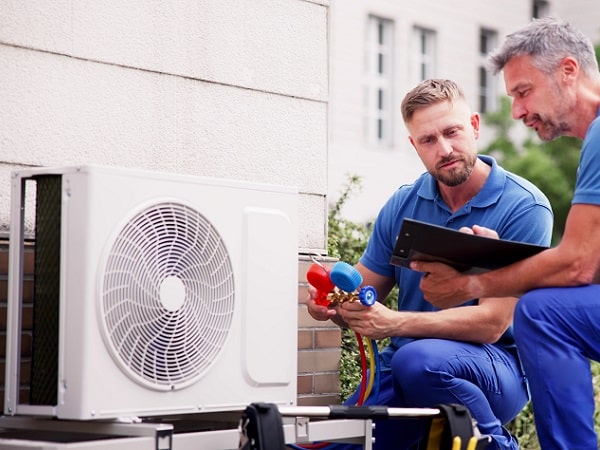
The inspection process aims to provide a clear overview of your system’s condition. An accredited assessor will typically:
- Review Documentation: Examine system specifications, maintenance logs, and usage patterns.
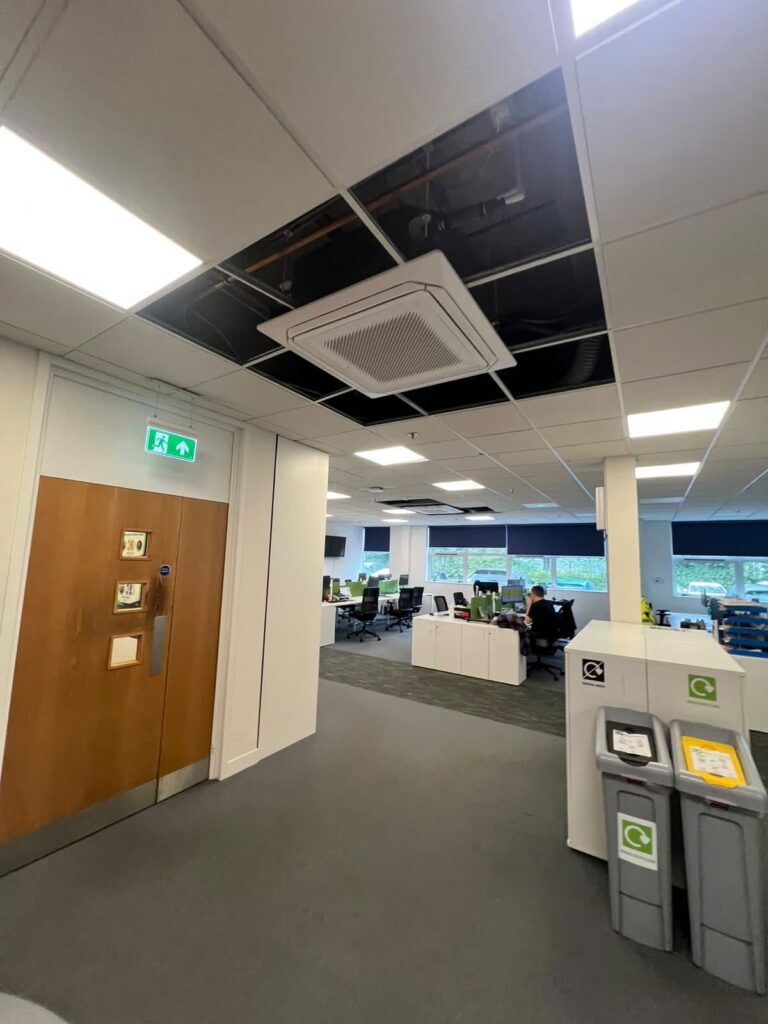
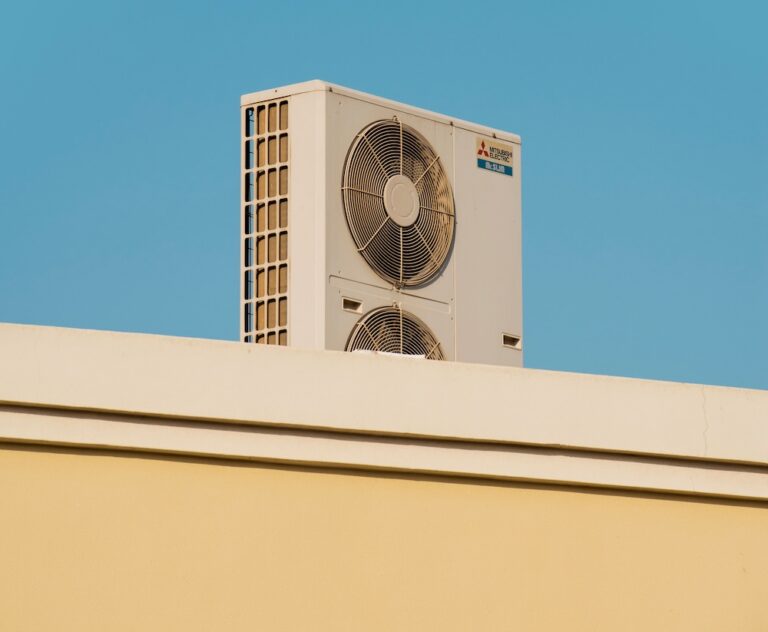
- Conduct a Visual Inspection: Check outdoor condensers, indoor units, and ductwork for signs of wear, blockages or poor installation.
- Evaluate Controls: Ensure timers and thermostats are set correctly to avoid cooling unoccupied rooms.
- Analyse Sizing: Determine whether the system is working too hard (undersized) or cycling on and off too frequently (oversized).
The resulting TM44 inspection report will outline identified issues and, more importantly, present opportunities for improvement. These recommendations can help you lower your carbon footprint and reduce your monthly costs.
Why TM44 Air Conditioning Inspections Are Useful for Businesses
Although inspections are usually done for compliance, the real value lies in the insights they provide. The findings from a TM44 report can help you to:
- Lower Energy Costs: Identifying inefficient controls or poorly maintained components can lead to immediate savings on electricity bills.
- Extend System Lifespan: A properly sized and well maintained system operates more efficiently, lasting longer before requiring costly replacements.
- Improve Comfort: Well functioning HVAC systems create a more pleasant environment for both employees and customers, positively impacting productivity and foot traffic.
- Improve Environmental Performance: As ESG goals become more important for UK businesses, a TM44 report serves as a roadmap for reducing your building’s carbon emissions.
Keep Your Air Conditioning Compliant and Running Efficiently
Staying compliant doesn’t need to be complicated. If you’re unsure whether you need a TM44 inspection, or your current certificate is due to expire, we can guide you through it.
We’ve spent decades working with commercial air conditioning systems, so we know what to look for and how to keep things running properly. We’ll help you stay compliant while making sure your system works as efficiently as possible. Get in touch with our team.
FAQs
What is a TM44 Certificate?
A TM44 certificate is an official document registered with the government. It confirms your cooling systems have been evaluated for energy efficiency by an accredited professional.
How Long is a TM44 Inspection Valid?
The certificate is valid for five years from the date of the inspection. It is the responsibility of the building owner or facilities manager to arrange for a new inspection before the current one expires.
What Happens if I Don’t Have a TM44 Inspection?
Failing to provide a valid TM44 report when requested by an enforcement officer can result in a fine, typically around £300 per building. Additionally, not having a valid inspection can complicate building insurance claims or the sale or lease of a commercial property.
Who Can Carry Out a TM44 Inspection?
Only a qualified and accredited Air Conditioning Energy Assessor can conduct the inspection and issue a valid certificate.
Does Every Air Conditioning System Need a TM44 Inspection?
Not every air conditioning system requires a TM44 inspection. Only buildings with a total “effective rated output” exceeding 12 kW require an inspection. Small standalone units typically fall below this threshold.
Speak to a HVAC expert today
Enter your details below to get a call back from one of our HVAC experts.