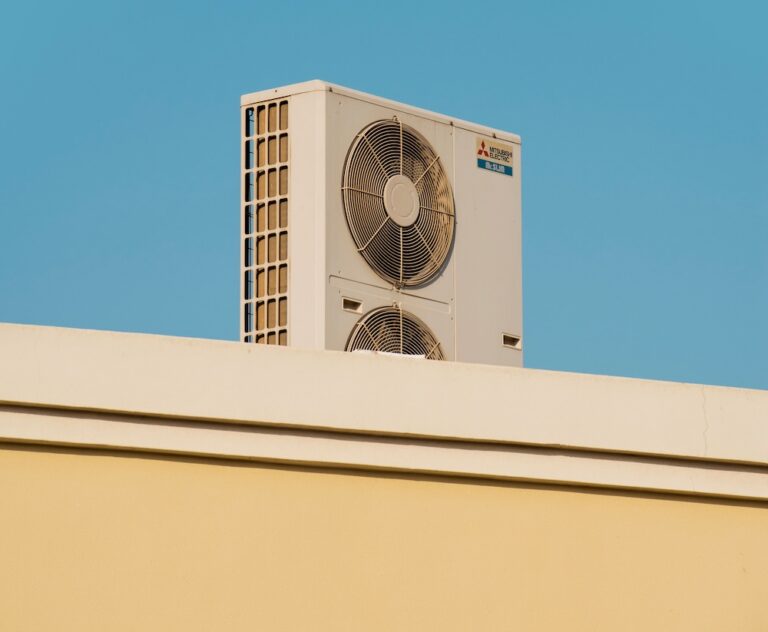
Best AC for Commercial Use: 7 Options UK Businesses Should Know
Choosing the best AC for commercial use is rarely straightforward. Office blocks, warehouses, retail units and healthcare facilities all have different cooling demands, and the wrong system can mean higher running costs, poor comfort and early replacement. This guide walks through the main commercial air conditioning types available to UK businesses so you can make an informed decision.
Whether you are cooling a small office or a large industrial site, understanding the options available helps you invest wisely and avoid costly mistakes.
What makes an AC system suitable for commercial use?
Commercial spaces are generally larger, busier and used differently than homes, so domestic units rarely cope well. When assessing the best AC for commercial use, consider factors such as building size, occupancy levels, heat gain from equipment, ceiling height and how flexible the space needs to be over time.
Energy efficiency and running costs matter too, particularly with rising electricity prices and tightening environmental regulations. Our article on the most energy efficient air conditioning systems looks at this in more detail.
Common types of commercial air conditioning
Split systems
Split systems are among the most popular choices for smaller commercial spaces such as offices, shops and consulting rooms. They consist of an indoor unit and an outdoor condenser connected by refrigerant pipework, offering quiet operation and relatively simple installation.
They are cost effective for single rooms or small zones, but multiple split units across a large building can become inefficient and harder to manage centrally.
Multi-split systems
Multi-split systems allow several indoor units to be connected to one outdoor condenser, making them a practical step up for buildings with multiple rooms that still need independent temperature control. This is a common choice for offices spread over several floors.
VRF and VRV systems
Variable Refrigerant Flow (VRF) and Variable Refrigerant Volume (VRV) systems are designed for larger or more complex commercial buildings. They can heat some zones while cooling others simultaneously, which suits mixed use buildings such as hotels or offices with varying occupancy patterns.
These systems tend to be more efficient at scale, though the upfront investment is higher than simpler split systems.
Rooftop and packaged units
Packaged rooftop units house all the components in a single outdoor unit, making them well suited to retail units, warehouses and industrial buildings where floor space is limited. They are generally robust and easier to maintain since all the equipment is in one accessible location.
Evaporative cooling
Evaporative coolers offer an energy efficient alternative for certain environments, particularly large industrial spaces with high air change requirements. They work differently to refrigerant based systems, so they are not suitable for every application. Our guide to evaporative coolers for commercial buildings explains where this technology works best.
Key factors to weigh up
When comparing options, it helps to think beyond the initial purchase price. Consider the following:
- Building size and layout, including ceiling height and zoning needs
- Occupancy patterns and equipment heat loads
- Running costs and energy efficiency ratings
- Maintenance requirements and access to serviceable parts
- Compliance with current F-Gas regulations and refrigerant choices
- Noise levels, particularly in customer facing or office environments
Refrigerant regulations are an increasingly important consideration. If your current system uses an older refrigerant, it is worth reading our article on F-Gas regulations and what they mean for older AC systems before committing to a new installation.
Matching the system to your building type
Different sectors tend to favour different solutions. Warehouses and industrial units often benefit from evaporative cooling or rooftop packaged units, as covered in our guide on how to cool a warehouse in summer. Offices generally suit split or VRF systems depending on scale, while healthcare and education settings have additional requirements around air quality and infection control, discussed in our guides on HVAC design for hospitals and healthcare facilities and HVAC systems for schools, colleges and universities.
There is no single answer that suits every business, which is why a proper site assessment is so valuable before making a decision.
Signs your existing system may not be right
If your current air conditioning struggles to maintain comfortable temperatures, runs constantly, or requires frequent repairs, it may no longer be fit for purpose. Our article on signs your commercial HVAC system needs replacing can help you assess whether an upgrade makes sense.
Frequently asked questions
What is the best AC for commercial use in a small office?
For small offices, split or multi-split systems are often the best AC for commercial use, offering good performance without the higher cost of larger centralised systems. They are quiet, relatively easy to install and suit spaces with modest cooling demands.
How much does commercial air conditioning cost to run?
Running costs depend on system type, building size and how well the unit is maintained, but energy efficient options such as VRF systems can reduce long term costs compared to older, less efficient units. Regular servicing also helps keep running costs under control.
How long does commercial air conditioning installation take?
Installation timeframes vary depending on the system and building complexity, ranging from a day or two for a simple split system to several weeks for a large VRF installation. Our guide on how long commercial air conditioning installation takes covers this in more detail.
Is air conditioning a good investment for UK businesses?
For most commercial premises, air conditioning supports staff comfort, productivity and compliance with workplace temperature expectations, making it a worthwhile investment. Our article on whether air conditioning is a smart investment explores this question further.
Get expert advice on the right system for your business
Finding the best AC for commercial use depends on your building, budget and long term plans, and getting professional advice early can save considerable time and expense. Atmostherm’s engineers can assess your premises and recommend a system suited to your needs.
Book a free site survey to discuss your requirements, or get in touch to speak with our team today.
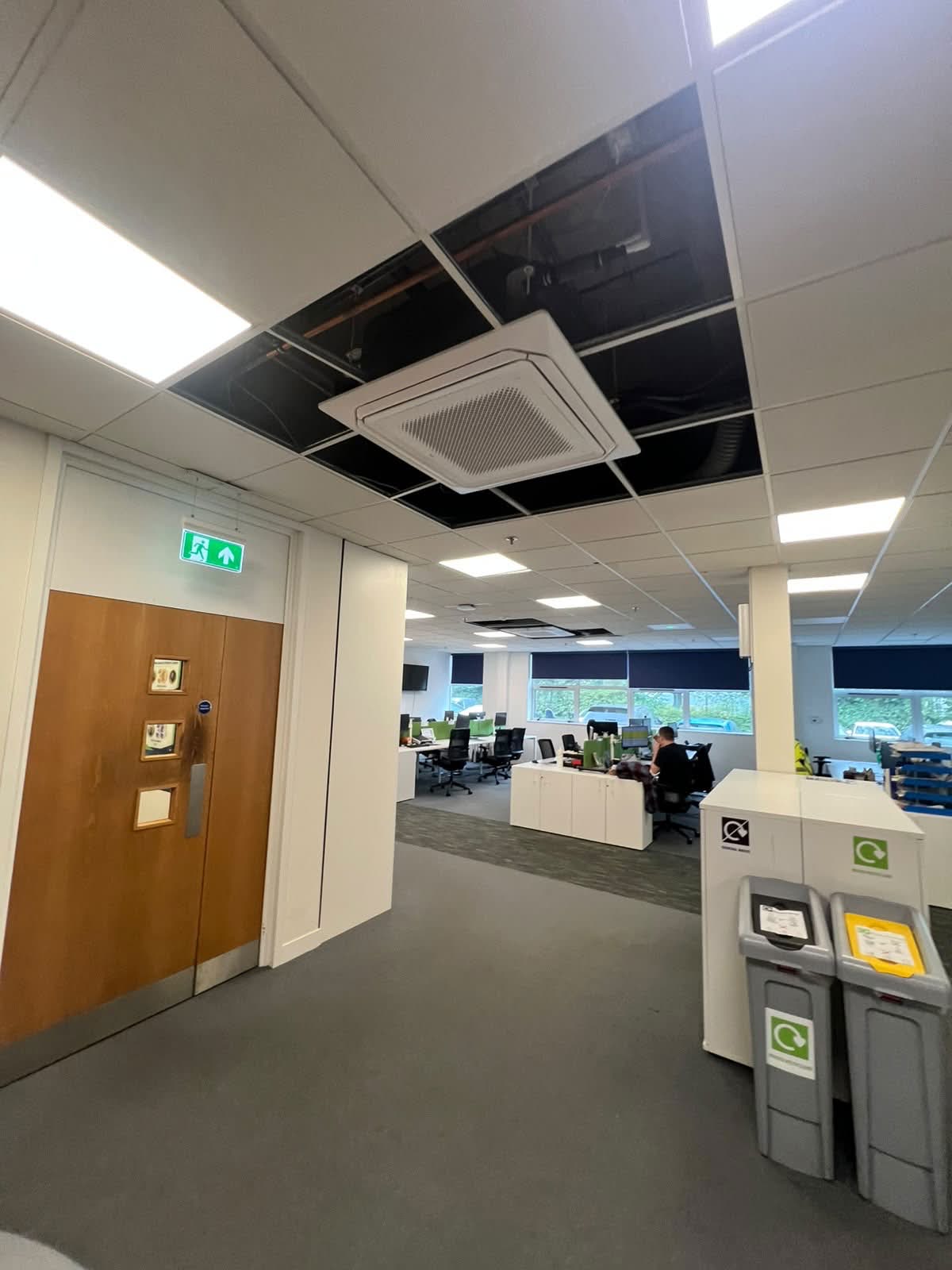
Project photos
Speak to a HVAC expert today
Enter your details below to get a call back from one of our HVAC experts.